
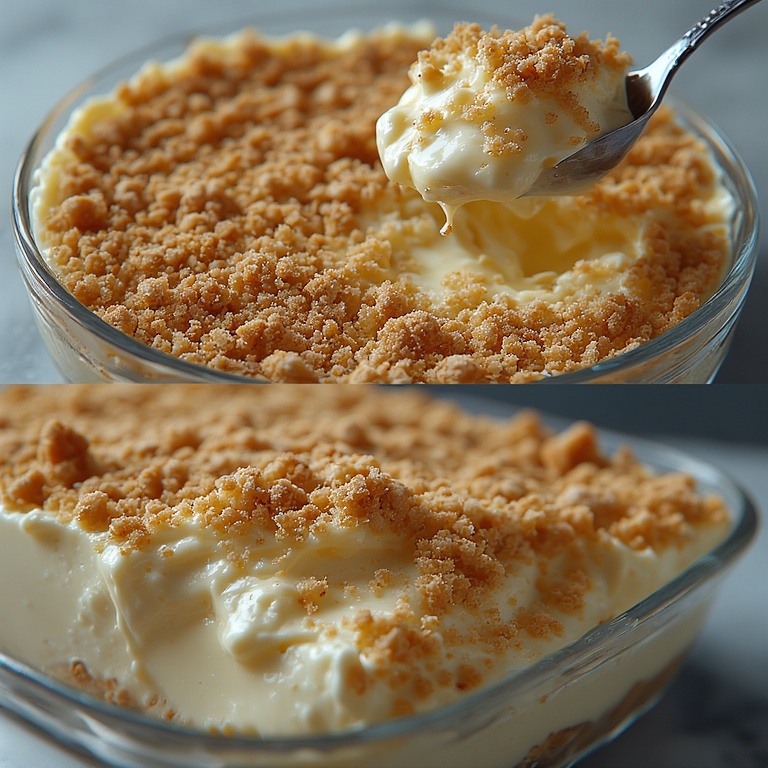
Selection: Always use fresh lemons rather than bottled juice. The essential oils found in the zest provide the “top notes” of the flavor, while the fresh juice provides the necessary acidity to stabilize the egg white foam.
The Zest Secret: Microplane only the yellow skin; the white pith underneath is bitter and will ruin the delicate custard flavor.
2. The Structural Protein: Large Pasture-Raised Eggs
The Role: Eggs are the primary building block of this cake.
Temperature: They must be at room temperature. Cold egg whites will not whip into the stiff peaks required to create the top sponge layer.
The Separation: The yolks provide the richness for the custard center, while the whites provide the lift for the cake top.
3. The Flour Alternative: Super-Fine Blanched Almond Flour
The Choice: We use a very small amount of almond flour.
The Logic: Too much flour will make the cake a solid block, preventing the custard layer from forming. Almond flour provides a nutty depth and just enough structure to keep the cake from being a pile of scrambled eggs.
4. The Sweetener: Powdered Erythritol or Allulose
Texture Matters: Use a powdered (confectioner’s) style sweetener. Granulated keto sweeteners can remain “gritty” in a custard base. Allulose is preferred by many because it melts perfectly and mimics the browning characteristics of real sugar.
The Masterclass—Step-by-Step Culinary Instructions
Headline: Mastering the Layers: A Technical Guide to the Triple-Texture Bake
Step 1: The Egg Separation
Separate 4 large eggs. Place the yolks in a large mixing bowl and the whites in a completely clean, grease-free metal or glass bowl. Even a drop of oil will prevent the whites from peaking.
Step 2: The Yolk Base
Read more on next page
