
In a world increasingly dominated by digital avatars and fleeting impressions, the most enduring signals of identity remain profoundly physical. A posture. A handshake. A gesture. And—perhaps more subtly than we realize—a single piece of metal resting on a finger.
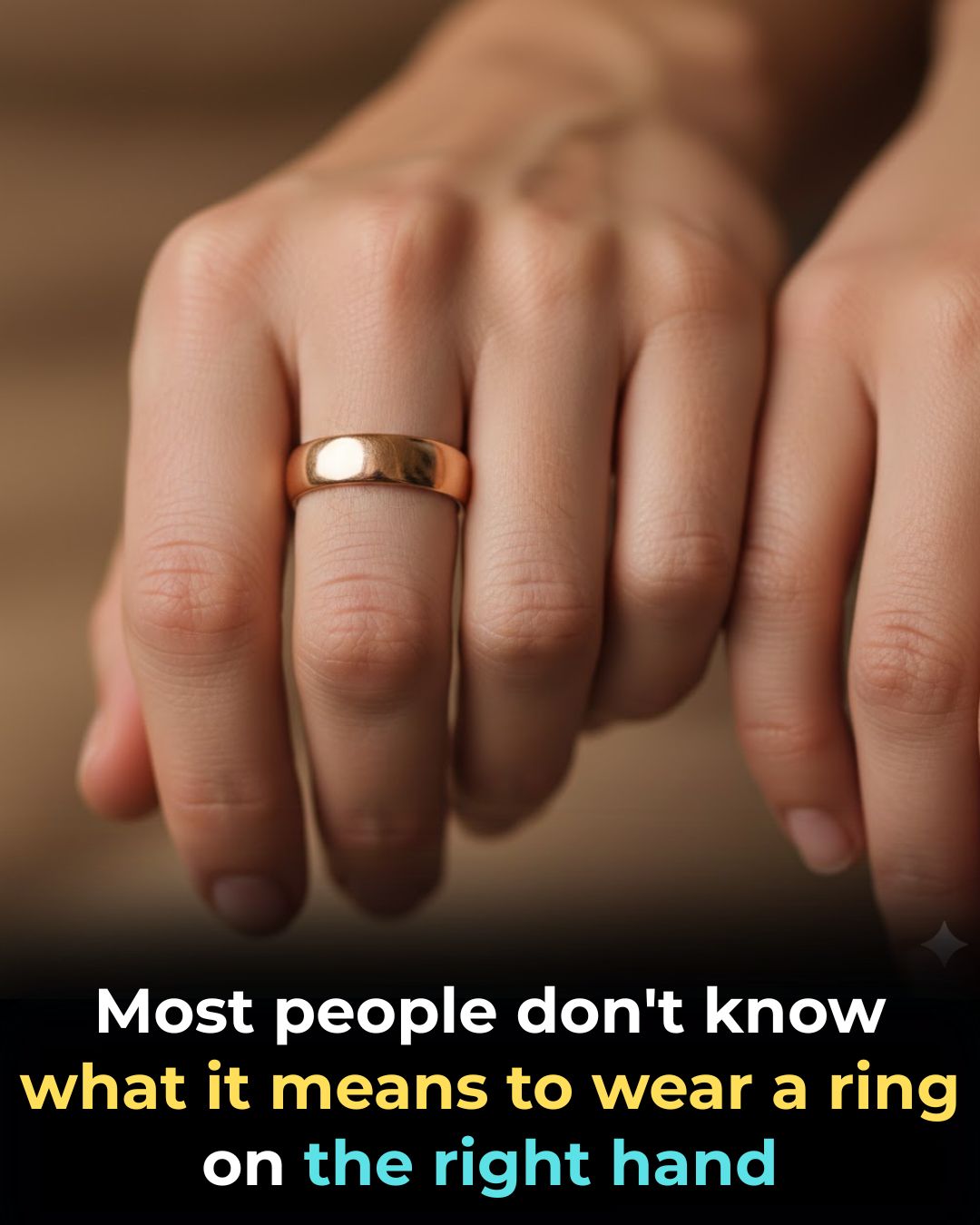
Observe closely, and a pattern emerges among leaders, visionaries, and high-achievers across industries: the ring on the right hand. Not the left—the traditional domain of wedding bands and inherited heirlooms—but the right: the hand of doing, deciding, creating, and commanding.
This isn’t coincidence. It’s centuries of symbolism converging with modern self-actualization. It’s psychology made visible. And for those who choose it intentionally, it’s a quiet but potent declaration of autonomy.
The Right Hand: A Universal Language of Agency
Long before neuroscience mapped motor cortex dominance, ancient civilizations recognized the right hand as the locus of power and authenticity.
In Ancient Egypt, the right hand was used in oaths before the gods—its gesture of offering and reception encoded in temple reliefs. To raise the right hand was to invoke Ma’at, the principle of truth and cosmic order.
Read more on next page
